

Get your daily news on agriculture
Provided by AGP
Zone 6 Gardeners Gaining 2 Extra Weeks of Growing Season, New Report from Jackson & Perkins
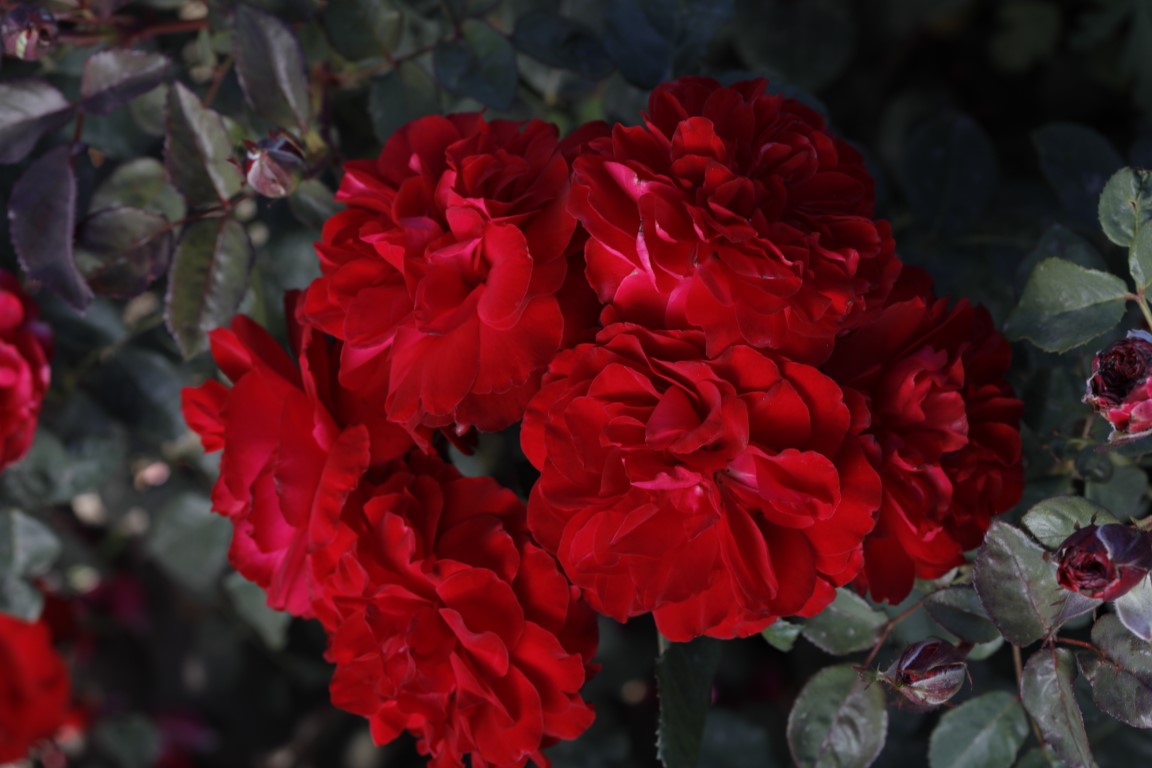
Never Been Redder Floribunda Rose
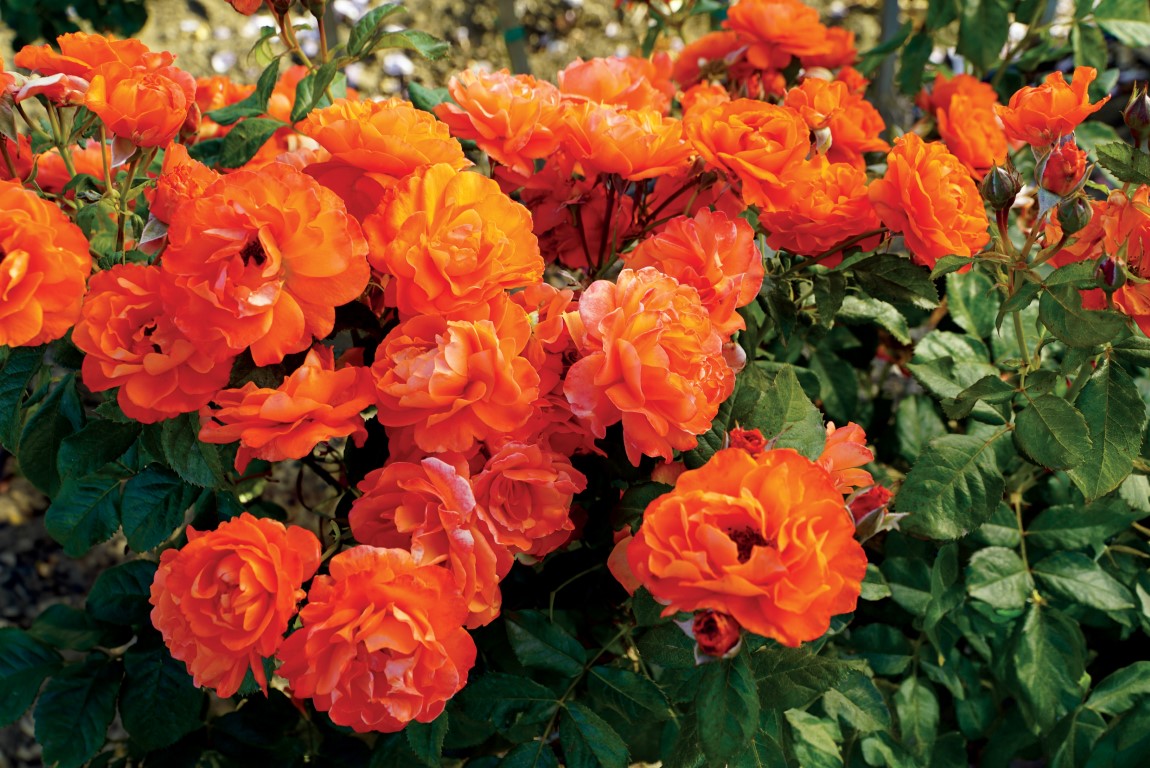
Mandarin Sunset Floribunda Rose
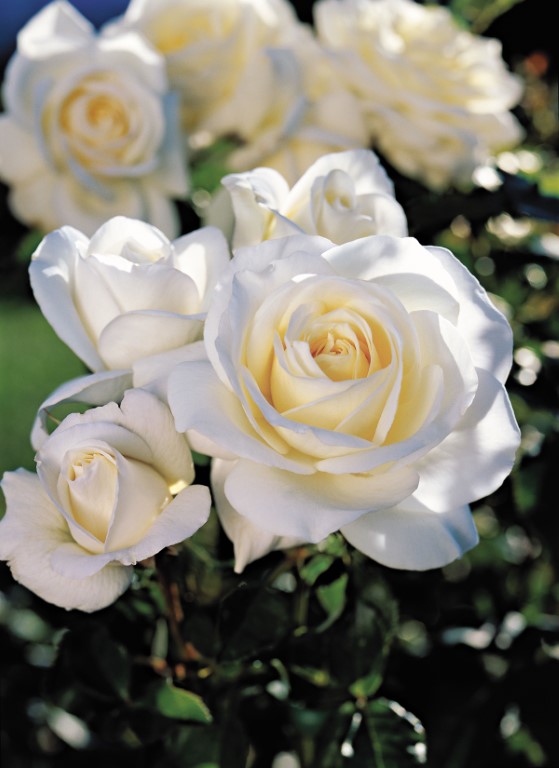
Moondance Floribunda Rose
Jackson & Perkins rosarian Wes Harvell on why Zone 6 gardeners have more spring than ever, and the roses worth planting in every new minute of it
For Zone 6 gardeners, we are getting one to two more weeks of prime planting time that we just didn’t use to”
GREENWOOD, SC, UNITED STATES, May 7, 2026 /EINPresswire.com/ -- Something is happening in gardens earlier than expected this spring, and it seems to be a trend. — Wes Harvell, rosarian with Jackson & Perkins
Across USDA Zone 6, the Mid-Atlantic through the Midwest and into parts of the Mountain West, spring is arriving sooner than it did a generation ago. Last frost dates are creeping earlier. The stretch of frost-free days between April and October has lengthened. And for home gardeners paying attention, it amounts to something close to a gift: more time to grow.
“For Zone 6 gardeners, we are getting one to two more weeks of prime planting time that we just didn’t use to,” explains Wes Harvell, rosarian with Jackson & Perkins. “The question is whether you take advantage of it, or miss it waiting for a calendar date that no longer applies.”
Spring Arriving Earlier Every Year
Nearly half of the U.S. growing regions have shifted toward warmer hardiness zone classifications over recent decades. For Zone 6 gardeners, that translates to a frost-free growing season of up to 200 days in some areas, a window more commonly associated with zones further south.
Early-season bloomers are responding in kind. Snowdrops and crocuses have been emerging as early as February in some microclimates. Daffodils, tulips, and flowering shrubs are hitting peak bloom weeks ahead of historical averages. And roses – traditionally planted around Mother's Day in Zone 6 – are increasingly going in the ground in mid-April, with stronger establishment to show for it.
The catch: Zone 6 hasn't gotten gentle. It's gotten unpredictable. Late frost events can still roll through in late April or early May, and the freeze-thaw cycles of early spring remain a real stress on perennials and newly planted stock. The gardeners thriving in this new climate are the ones who've learned to plant a little earlier and protect a little smarter.
What to Plant
Harvell's philosophy for 2026: the longer season is an opportunity, but only if you're growing varieties built for variability. "The most beautiful rose in the catalog doesn't do you any good if a late frost takes it out or black spot wipes it by July," he says. "Zone 6 rewards resilience. Always has."
His picks for this season, from the Jackson & Perkins collection:
Roses
• Moondance Floribunda Rose. This award-winning floribunda rose forms a vigorous, upright shrub reaching about 4 to 5 feet tall and wide, with glossy dark green foliage that provides a lush backdrop in the garden. Its large, creamy white blooms feature 25-30 petals and appear in abundant sprays, flowering continuously from late spring through late fall with a soft, sweet raspberry fragrance. Exceptionally versatile, it thrives in beds, borders, hedges, and cutting gardens, while its strong disease resistance and tolerance to heat and humidity make it an easy-care choice for both new and experienced gardeners.
https://www.jacksonandperkins.com/moondance-floribunda-rose/p/v1565/
• Mandarin Sunset Floribunda Rose. This vibrant floribunda rose forms a compact, bushy plant that produces abundant clusters of 3-inch double blooms in glowing orange tones, adding a bold pop of color to the garden. Flowering in continuous waves from late spring through late fall, its pointed buds open to richly hued blossoms with a light, pleasant fragrance. Reliable and easy to grow, it performs beautifully in beds, borders, and containers, with strong disease resistance and a free-flowering habit that makes it ideal for gardeners of all experience levels.
https://www.jacksonandperkins.com/mandarin-sunset-floribunda-rose/p/v2494/
• Never Been Redder Floribunda Rose. This standout floribunda rose forms a medium, upright shrub reaching about 4 feet tall and 3 feet wide, with dense, glossy foliage that adds structure and richness to the garden. Its 3-4 inch, old-fashioned double blooms, featuring up to 100 deep red petals, appear in generous clusters of 6 to 8 per stem, flowering continuously from late spring until frost and maintaining their rich, velvety color throughout. Lightly fragrant and exceptionally free-flowering, this award-winning variety offers strong disease resistance and versatile performance in beds, borders, containers, and cutting gardens, making it a reliable choice for gardeners of all experience levels.
https://www.jacksonandperkins.com/never-been-redder-floribunda-rose/p/v2500/
Companion Plants
• Echinacea Sombrero® Salsa Red. These bold, fiery red blooms bring a vibrant punch of color to the garden and make an excellent companion to roses, complementing softer tones while attracting pollinators that benefit the entire planting. This compact, well-branched perennial grows about 18 to 24 inches tall and wide, producing a profusion of 3-inch daisy-like flowers with rich red petals and dark central cones from late spring through summer. With its upright habit, long bloom season, and easy-care, drought-tolerant nature, it’s perfect for borders, mixed beds, and cutting gardens, adding structure, color, and life alongside your roses.
https://www.jacksonandperkins.com/sombrero-salsa-red-coneflower/p/38312/
• Leucanthemum Realflor® ‘Real Jewel’ Shasta Daisy. These cheerful, golden blooms bring a bright, textural contrast to the garden and make a perfect companion to roses, softening bold rose colors while attracting pollinators that benefit nearby plants. This compact, mounding perennial grows about 16 inches tall and 14 inches wide, producing unique, multi-layered yellow flowers with frilled petals from early summer into fall, with a repeat bloom later in the season. Easy to grow and heat-tolerant, it’s ideal for borders, containers, and cutting gardens, adding long-lasting color, structure, and pollinator appeal alongside your roses.
https://www.jacksonandperkins.com/leucanthemum-realflor-real-jewel/p/44285/
• Clematis Mrs. Robert Brydon. This graceful, free-flowing clematis brings a soft cloud of color to the garden and pairs beautifully with roses, weaving through shrubs or spilling around their base to add contrast and movement. Growing 6 to 8 feet tall with a loose, sprawling habit, it produces masses of small, starry bluish-white blooms from mid-summer into early fall, followed by attractive seed heads for extended interest. Easy to grow and highly versatile, it can be trained on supports, allowed to cascade, or used as a filler in mixed borders, making it an ideal companion that enhances both the structure and season-long appeal of rose plantings.
https://www.jacksonandperkins.com/clematis-mrs-robert-brydon/p/44613/
Three Things Worth Doing Differently This Season
• Plant two weeks earlier than you think you should. The planting window has genuinely shifted. Roses and perennials going in the ground in mid-April rather than mid-May establish stronger root systems before summer heat arrives. Keep frost cloth handy; protect, don't wait.
• Mulch like you mean it. Three inches of mulch isn't decorative; it's temperature management. The freeze-thaw cycles that define Zone 6 springs are rough on root systems. A deep mulch layer buffers soil temperature and gives new plantings the stability to establish quickly.
• Choose disease resistance over bloom color. In a season of humidity swings and temperature volatility, a gorgeous but susceptible rose is a liability. The varieties that will look best in September are the ones that fought off problems in June.
As Zone 6 continues to evolve, gardeners are uniquely positioned to take advantage of longer growing seasons while adapting to increased variability. Success in 2026 will come down to timing, plant selection, and a willingness to adjust traditional gardening calendars.
With the right strategies in place, this season offers the potential for abundant blooms, extended color, and a thriving garden from early spring through fall.
Jackson and Perkins Park Acquisitions, Inc. is a portfolio of hobbyist brands with a long history of providing consumers, wholesalers, and resellers with branded roses, plants, seeds, horticultural supplies, period-based home restoration products, and home brewing equipment. Originally catalog and direct-mail companies, these brands have evolved into successful e-commerce retailers. The company operates a 100-acre property with a nursery and distribution facility in Greenwood, South Carolina, and its executive office is located in Edina, Minnesota. Visit www.jpparkinc.com for more information.
Katie Dubow
Garden Media Group
+1 6104443040
email us here
Visit us on social media:
Instagram
Facebook
X
Legal Disclaimer:
EIN Presswire provides this news content "as is" without warranty of any kind. We do not accept any responsibility or liability for the accuracy, content, images, videos, licenses, completeness, legality, or reliability of the information contained in this article. If you have any complaints or copyright issues related to this article, kindly contact the author above.
